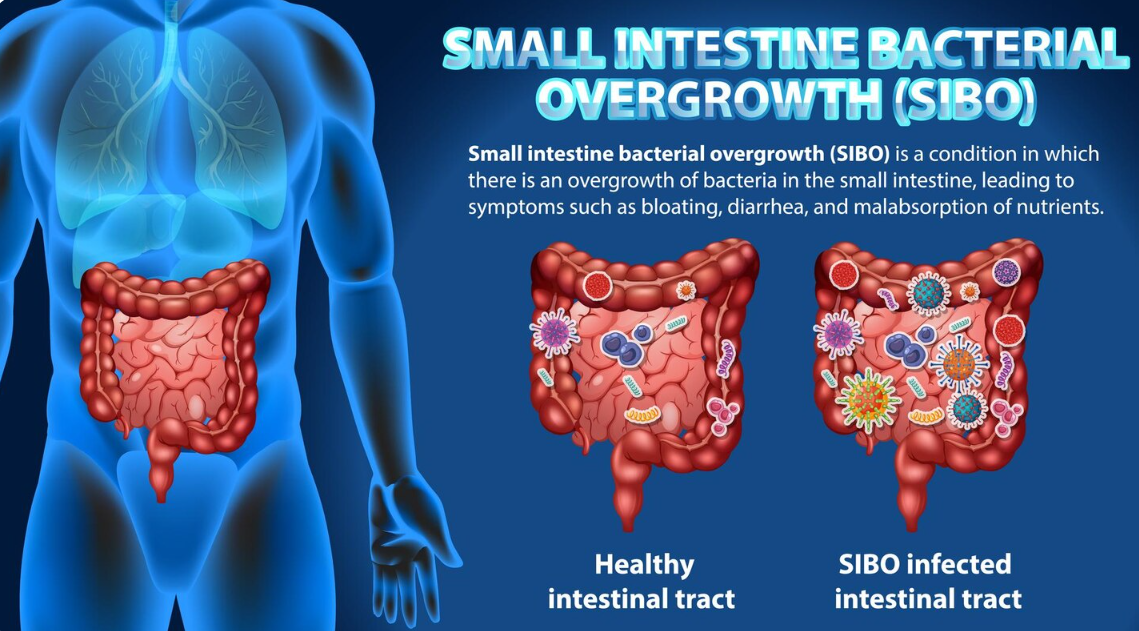

Understanding the Digestive Core
The digestive system does more than process food. It acts as a central hub that influences energy levels, resistance to illness, and overall balance. When digestion functions smoothly, the body absorbs nutrients efficiently and eliminates waste properly. This internal harmony supports daily comfort and long term stability.
The Gut and Immune Defense
A large portion of immune activity is linked to the digestive system. The body relies on a balanced internal environment to recognize and respond to external threats. When digestion is supported, immune responses remain steady and effective. This connection highlights why internal balance is essential for daily protection.
Microbial Balance and Resilience
The digestive tract hosts trillions of microorganisms that support normal body functions. These microbes assist in breaking down food and supporting immune communication. When microbial balance is disturbed, discomfort and low energy may appear. Supporting diversity within this system strengthens resilience over time.
Digestion and Nutrient Absorption
Efficient digestion ensures vitamins and minerals reach the cells that need them. Poor absorption can lead to fatigue and weakened defenses even with adequate food intake. Supporting digestive efficiency helps the body use nourishment effectively. This process contributes directly to vitality and endurance.
Influence on Energy Levels
Daily energy depends heavily on digestion. When food is processed smoothly, energy remains stable throughout the day. Digestive strain can lead to sluggishness and discomfort. Balanced digestion supports sustained focus and physical comfort.
The Gut and Mental Clarity
The digestive system communicates closely with the brain. Emotional states can affect digestion, and digestive imbalance can influence mood and clarity. Supporting internal balance helps maintain emotional steadiness. This connection explains why calm routines often improve both mood and digestion.
Role of Daily Nutrition
Food choices play a major role in digestive comfort. Fresh, balanced meals support microbial diversity and efficient processing. Irregular eating or overly processed foods may disrupt internal balance. Consistency in nutrition supports long term digestive stability.
Importance of Eating Habits
How food is eaten matters as much as what is eaten. Slow, mindful meals improve digestion and satisfaction. Rushed eating can strain digestive processes. Mindful habits allow the body to respond more effectively to nourishment.
Hydration and Digestive Flow
Adequate fluid intake supports smooth digestion and waste elimination. Hydration helps nutrients move efficiently through the system. Insufficient fluids can lead to discomfort and sluggish digestion. Regular hydration supports daily comfort.
Lifestyle and Digestive Rhythm
Daily routines influence digestive timing and efficiency. Consistent meal times and sleep patterns support natural rhythms. Disrupted routines can lead to irregular digestion. Stability in daily habits promotes internal balance.
Stress and Digestive Response
Mental tension can directly affect digestive comfort. Calm routines help regulate internal signals and reduce discomfort. Relaxation supports better digestive response. Managing daily pressure improves overall digestive stability.
Movement and Internal Function
Gentle physical activity supports circulation and digestion. Movement helps stimulate natural digestive processes. Regular activity encourages comfort and balance. Consistent movement supports internal flow.
Signs of Internal Imbalance
Early signs of digestive imbalance may include bloating, fatigue, or irregular appetite. Awareness allows timely adjustments. Addressing these signals early prevents deeper discomfort. Observation supports preventive care.
Supporting Long Term Immunity
A balanced digestive system supports consistent immune response. Internal harmony allows the body to focus energy on defense rather than correction. Long term support strengthens resilience. This foundation supports daily well being.
Sustainable Habits for Digestive Support
Gentle and consistent habits are more effective than extreme measures. Small daily actions create lasting results. Sustainability encourages long term comfort and stability. Simple routines support internal balance.
Integrating Digestive Care Into Life
Digestive support becomes effective when integrated naturally into daily life. Mindful eating, regular routines, and calm habits create stability. These practices support comfort without added effort.
A Foundation for Overall Well Being
Gut health influences immunity, energy, and mental clarity. When digestion is supported, the entire body benefits. A balanced digestive system creates a strong foundation for daily well being and long term resilience.